At a Glance:
From understanding the causes of weak WiFi signals to exploring the best solutions for boosting coverage, this guide has you covered. Learn the key differences between WiFi extenders, boosters, and mesh systems, and discover how to choose the right option to eliminate dead zones and optimize your network for seamless connectivity.
The Truth About WiFi Boosters and Extenders
Dead zones in your home shouldn’t mean dead connections for your devices. Understanding the real differences between WiFi extenders, WiFi boosters, and WiFi repeaters can transform how you experience connectivity throughout your space. However, the underlying technologies vary, and choosing the right type of extender is important to get the most out of your home WiFi setup. So, what’s the real difference between WiFi extenders and boosters?
WiFi Booster Explained
WiFi Booster is a broad marketing term often used to describe devices that enhance WiFi signal range, including extenders, repeaters, and sometimes mesh systems. Access points – while rarely called WiFi boosters – are another technology use to deploy WiFi for businesses and professional home Wifi.
Are WiFi Extenders and Boosters Different Devices?
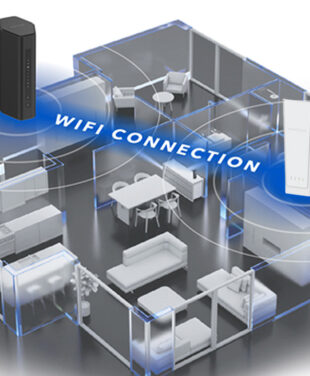
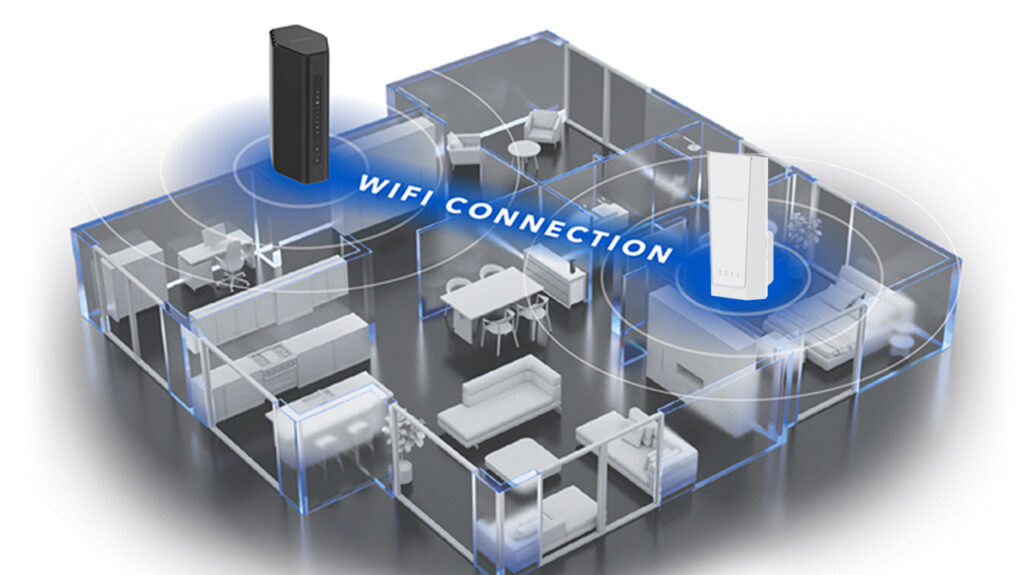
WiFi extenders increase WiFi network coverage. A WiFi range extender can dramatically improve internet and smart device performance in small/medium sized homes. For boosting larger home networks, mesh WiFi that includes the main router and multiple wireless router satellites is recommended.
Types of WiFi Boosting Solutions
Fast, reliable internet powers everything from morning video calls to evening streaming sessions. Fortunately, there are several “WiFi boosting” solutions available, and one is sure to be the right fit for your home.
Traditional Wireless Extenders/Repeaters – Quick fixes with trade-offs
WiFi extenders capture and retransmit the signal from your router using antennas and digital processing to improve coverage in hard-to-reach areas like bedrooms, offices, or outdoor spaces. Some extenders broadcast the same network name for seamless roaming, while others create a new network name you can connect to. Traditional wireless extenders are easy to set up, but because they must receive and retransmit data on the same frequency band, they typically cut available bandwidth in half and add latency due to the double-hop transmission process.
Mesh WiFi Systems (Mesh Router + Satellites) – Best for whole-home coverage
WiFi mesh systems revolutionize how large homes stay connected. Unlike traditional extenders, mesh systems like NETGEAR Orbi create a unified network that follows you seamlessly from room to room. The secret lies in dedicated backhaul connections between components, ensuring your devices always connect to the strongest signal without interruption. Mesh systems banish dead spots to a thing of the past.
Wired Access Points (AP) – Powerful, but advanced setup
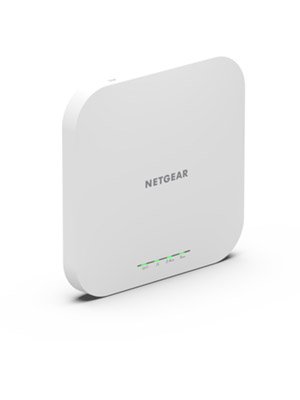
Wired access points (APs or WAPs) provide fast, reliable internet, making them ideal for offices, venues, and advanced home networks. While they deliver top performance, their need for Ethernet cables, PoE switches, and advanced setup makes them better suited for commercial or professional use. For most consumers, mesh WiFi systems offer a more user-friendly setup and comparable performance.
Why Mesh WiFi Outperforms Traditional Boosters
Traditional boosters (extenders) help extend your WiFi reach, but they come with a trade-off. Because they must receive and retransmit your signal, you might notice slower speeds and slight delays – especially frustrating during video calls or gaming sessions. Mesh WiFi systems, on the other hand, are designed to seamlessly extend WiFi while minimizing latency & performance issues.
Smart routing hands the WiFi connection over to the mesh satellite with the strongest signal, allowing you to roam seamlessly with your smartphone, laptop, or other network device. Orbi Mesh Systems are expandable and scalable, ideal for multi-story homes.
When to Use What: WiFi Booster Options Explained
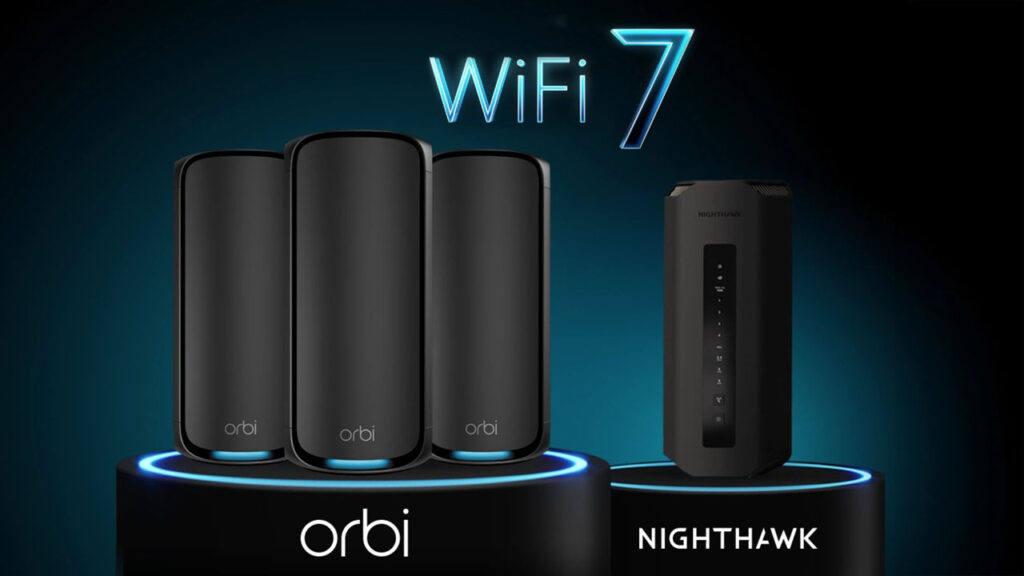
Amidst all the confusion about how to boost the WiFi signal between routers, extenders, boosters, and repeaters, there is some good news. NETGEAR showcases a wide range of WiFi 7 extenders, routers, and mesh systems for every type of home.
Best Extender for Budget Users
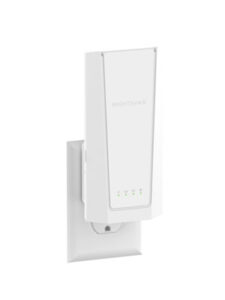
A Nighthawk WiFi 7 Dual-Band Extender (EXS27) is the perfect fit for eliminating dead zones and improving the signal for targeted devices. Works with any WiFi 5 or WiFi 6 Router from any ISP or manufacturer.
Best WiFi 7 Router for Performance
The Nighthawk RS700S Router offers premium performance for busy homes. With coverage up to 3,500 sq. ft, speeds up to 19Gbps, and connectivity for 200 concurrent devices, the RS700S may be all you need.
Best Mesh System for Performance
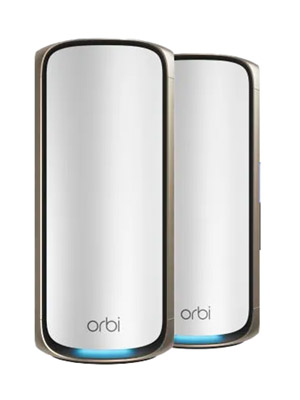
Orbi 970 Quad-Band Mesh WiFi systems deliver multi-gigabit Ethernet wireless speeds up to 27Gbps for up to 200 devices in concurrent use, with coverage of 10,000 sq. ft. This is whole-home internet performance at its best.
NETGEAR WiFi 7 mesh alternatives include the powerful tri-band Orbi 870 and the budget-friendly Orbi 770 & Orbi 370 Series.
Best for Stability (Especially in Commercial Settings)
Although technically complex, wired access points using Ethernet cable is still considered the most reliable way to get good WiFi performance. Ethernet port connections deliver reliable WiFi speeds for gamers, streamers, and remote workers.
A big advantage of Orbi mesh WiFi vs an Extender is the option for wired or wireless connectivity with multi-gigabit speeds. Similar to Access Points – Orbi satellites include high-speed Ethernet ports for optionally connecting to the router via Orbi Wired Backhaul. Learn more about the potential of Orbi Mesh Satellites to connect your world. See our Mesh Wired Backhaul blog.
TIP: MoCA adapters (which use coaxial cables for data) or power-line adapters (which transmit data through your home’s electrical wiring) are less common but effective backhaul options. Stay tuned for a future article exploring these in detail.
How to Boost Your WiFi the Right Way
Wireless range extenders (signal boosters) can improve throughput for better WiFi device performance, but there are limitations to wireless coverage. WiFi extenders capture and rebroadcast wireless signals, but the extra step in transmission can lead to a weak signal for data-hungry devices at a distance from the router.
You can boost WiFi by:
- Optimizing router placement
- Minimizing interference
- Making the most of dual-band, tri-band, or quad-band WiFi for less congestion
- Upgrading from WiFi 5 to WiFi 6 or future-proofed WiFi 7
- Considering NETGEAR’s Orbi Mesh or Nighthawk standalone routers
Conclusion - Beyond Boosters: Build a Stronger Network
The terms WiFi extender, WiFi booster, and WiFi repeater are used for marketing and are often confused, the right WiFi solution transforms your home into a seamlessly connected space where every device performs at its best. The real solution for your home lies in building a stronger, more secure network by choosing the right router or mesh technology.
FAQs
Are WiFi extenders and boosters the same thing?
Yes, in most consumer cases they are the same. The term “booster” is a general marketing term for WiFi range solutions that include extenders, repeaters, mesh nodes, and wireless access points.
WiFi extender vs booster for gaming?
The best method depends on your needs. For whole-home coverage and seamless roaming, mesh WiFi is ideal. A range extender can be the right option for targeted WiFi over a smaller area. For maximum performance – especially in a commercial setting – consider using wired access points.
Will a WiFi booster improve internet speed?
Not always. It can improve signal strength and reach, but not your actual internet bandwidth. Mesh systems or wired backhaul options are better for speed consistency.
What’s better: WiFi booster or mesh system?
Mesh is better for large homes or households with many devices. Mesh systems offer seamless coverage and performance that standard boosters can’t match.
Is it easy to install a WiFi booster or extender?
Yes. Most repeaters are plug-and-play, while mesh systems offer app-guided setup and automatic optimization.
What is a wired access point and is it better than a booster?
A wired access point connects to your router via Ethernet or powerline and provides the most stable, high-speed connection—perfect for high-performance needs, especially in commercial applications.
How to fix weak WiFi in a large house?
Choose Orbi WiFi mesh. These systems can be tailored to suit homes of all sizes, with powerful internet upstairs and downstairs, from the front door to the back yard.