
Tri-band routers and mesh systems
Three dedicated bands - 2.4 GHz, 5 GHz, and 6 GHz - so every device gets the bandwidth it needs, the moment it needs it.
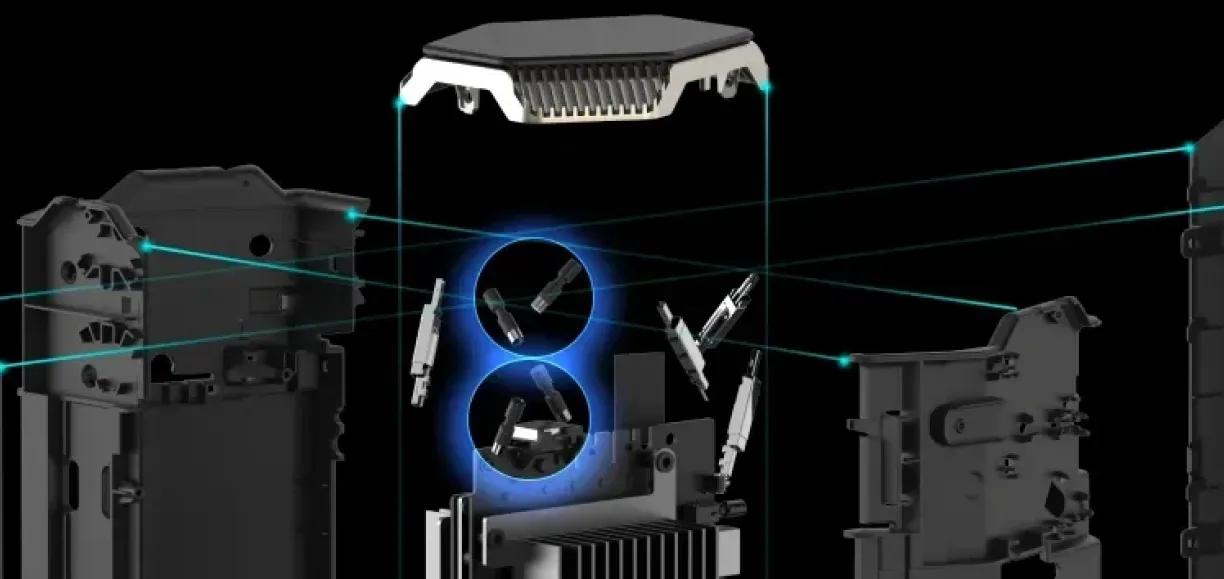
Three dedicated channels
Dedicated 2.4 GHz, 5 GHz, and 6 GHz bands for every device in your home.
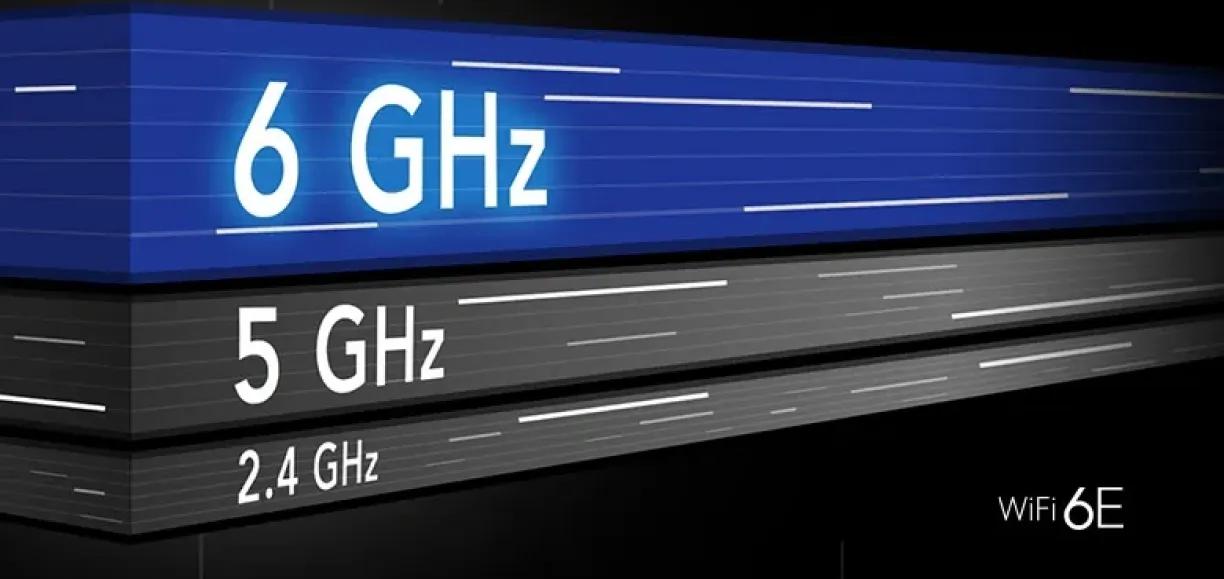
Exclusive 6 GHz access
The fastest, least congested band — built for WiFi 6E and WiFi 7 devices.
Multi-Gig WiFi 7 technology
Multi-gig speeds for immersive streaming, gaming, and working from home.

Connect more devices
Three bands mean more capacity — everyone stays fast, even at peak hours.
Dual-band vs. tri-band routers: which is better?
Tri-band wins for homes with many devices or high-bandwidth needs - like streaming 4K, working from home, gaming online, or running a smart home. Dual-band is a solid choice for smaller households with lighter usage.
3 Items
Sort By


RBE773
Orbi 770 Series Tri-Band WiFi 7 Mesh System, 11Gbps, 3-Pack (RBE773)
WiFi 7 technology up to 11Gbps Tri-band WiFi
Showing 1-3 of 3
Tri-Band Router FAQs:
A dual-band router transmits on two frequency bands - 2.4 GHz for longer range and wider device compatibility, and 5 GHz for faster speeds at closer distances. It handles everyday browsing, streaming, and video calls well for smaller households with a moderate number of connected devices.
A tri-band router adds a third wireless band. Traditional tri-band models pair one 2.4 GHz band with two 5 GHz bands. NETGEAR's latest WiFi 7 tri-band routers go further - replacing the second 5 GHz band with the new 6 GHz band, which is virtually interference-free and reserved for your fastest, most demanding connections. The 6 GHz band is the most powerful WiFi channel available today, supported by the latest phones, laptops, and high-performance devices with WiFi 6E and WiFi 7.
Yes. Tri-band mesh systems like Orbi have more channels available across 2.4 GHz, 5 GHz, and 6 GHz, delivering faster overall performance and stronger backhaul connections between nodes - so whole-home speeds stay consistent even when every room is in use.
NETGEAR tri-band routers are designed to support 50 to 200+ simultaneous connections depending on the model. Because traffic is spread across three bands, each device gets more dedicated bandwidth - so performance stays consistent whether you have 10 devices or 100.
WiFi 7 is technically available on dual-band hardware, but you only unlock its full potential on a tri-band device. The 6 GHz band - exclusive to tri-band WiFi 7 routers - is where the biggest speed and latency gains live. If you're upgrading to WiFi 7, a tri-band model is the right choice.
Nighthawk routers are standalone units built for maximum performance from a single access point - ideal for apartments, smaller homes, or users who want the fastest possible speeds from one device. Orbi is a mesh system designed to blanket larger homes in seamless WiFi using multiple nodes that work together. Both offer tri-band WiFi 7 technology; the right choice depends on your home size and layout.