Key Findings: How Home Networks Became a Target
- An average of 29 daily attack attempts per home—nearly three times more than in 2024.
- 12 million threats blocked daily by Bitdefender technologies across connected homes worldwide.
- 22 connected devices per household on average—each one a potential target if left unprotected.
Attackers Are at the Digital Front Door
As connected living expands, everyday devices can introduce new risks. Most attacks fall into two categories, both with real consequences for households:
- Hijacking Your Home for Larger Attacks
Attackers may try to compromise routers and IoT devices to build botnets that launch large-scale attacks. In one 2025 incident, a massive 22.2 terabit-per-second DDoS attack was traced back to compromised home routers—showing how one unprotected device can contribute to broader disruption.
- Harvesting Data and Invading Privacy
We’re also seeing more attempts to collect personal data. Unprotected smart TVs, cameras, and streaming devices can be targeted to gather information or invade privacy.
Your router is your home’s digital front door. If it’s not kept up to date or configured with strong settings, it can be open to everything connected behind it. Once attackers get a foothold, they can try to move to other devices on the network. A single unpatched camera or streaming device can increase risk for the rest of your household.
The Soft Spots: Smart TVs, Cameras, and Streaming Devices
Some of the most common connected devices are also the most frequently targeted:
- Streaming Devices (26%): Small, but a popular target.
- Smart TVs (21%): Often receive limited updates over time.
- IP Cameras (9%): Intended for safety, but can be misused if not secured.
Many of these products receive infrequent updates. The longer they stay connected without patches, the more exposed they may become. With 22+ connected devices in the average U.S. home, even one overlooked gadget can increase overall risk.
The Expanding Edge of the Smart Home
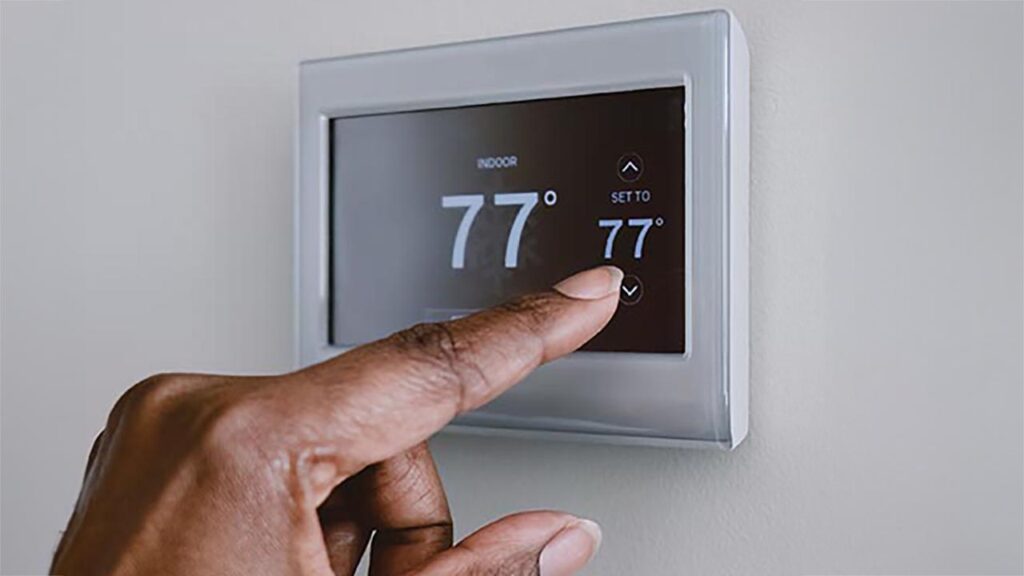
Connected living now reaches beyond entertainment. Smart solar inverters, EV chargers, and home energy systems are increasingly online, linking home networks to larger ecosystems. While these technologies can drive efficiency, they also create new pathways for disruption if not properly configured.
The Real-World Consequences
These threats can feel very real at home.
- Financial Loss: Phishing scams that look like bank or delivery messages can trick people into sharing payment details or logins.
- Identity Risk: Weak or reused passwords can make it easier for attackers to take over accounts or open fraudulent lines of credit.
- Privacy Concerns: Compromised cameras or voice assistants can expose moments meant to stay private.
- Performance Issues: Infected devices may slow your network or be pulled into hidden botnets, disrupting your connection.
Three Takeaways for Every Smart Homeowner
- 1. The threat is real—and growing. Attack attempts on home networks have increased significantly year over year.
- 2. Start at the router. Strong settings and built-in protections at the network level can help reduce risk for everything connected.
- 3. Layer your defenses. Your protection should combine smart software with network-level safeguards.
Tips for Strengthening Your Digital Front Door
The good news is you can take some simple precautions to help make your home network even more resilient. For your router:
- Create a strong, unique WiFi password.
- Turn on automatic firmware updates.
- Set up guest WiFi for visitors and smart devices.
- Consider placing IoT devices on a separate network.
- Check your router’s age; if it’s several years old, consider upgrading for newer features.
And when it comes to your connected devices:
- Use long, unique passphrases and don’t reuse them.
- Turn on multi-factor authentication where available.
- Install updates promptly to address known vulnerabilities.
- Watch for unusual emails or urgent requests, and report suspected phishing.
We’re Here to Help: Protection That Adapts as Threats Evolve
And if you’re in the market for a new router or mesh system, consider NETGEAR. We take a layered approach to protection. Alongside essential features like WPA3 encryption, a smart firewall, and optional automatic firmware updates, our routers and mesh systems include Advanced Router Protection (ARP). This is an additional built-in layer designed to help identify and block certain high-risk known and emerging threats before software updates are available.
When certain new, high-risk threats are identified, NETGEAR ARP is programmed to recognize potential paths attackers could try to exploit. With that signal, ARP can help detect and block attempts to use those paths—helping protect your network while software updates are prepared and rolled out.
NETGEAR Armor™: Help for Devices and Data
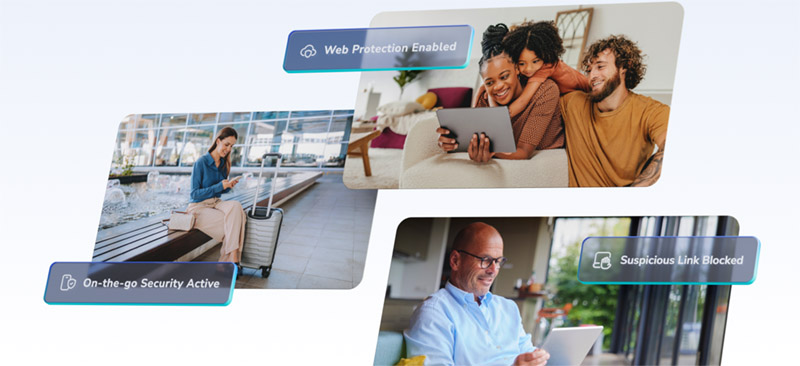
NETGEAR Armor™ powered by Bitdefender® helps extend protection beyond the router to your connected devices. Armor provides AI-powered defenses against malware and attempts at unauthorized access, plus a built-in VPN to help keep your browsing more private at home or on public WiFi. Recent surveys indicate that over 80% of Armor Plus subscribers chose the service for its network protection and VPN capabilities, and 70% report greater peace of mind online.
Advanced Router Protection and NETGEAR Armor work together to form a web of protection: network-level safeguards at the router, plus intelligent software to help protect devices—at home and on the go.
The Bottom Line: Confidence Starts at Home
As smart homes continue to expand—connecting entertainment, energy, and daily life—your security needs evolve too.
NETGEAR’s built-in security features—Advanced Router Protection and NETGEAR Armor—are designed to help you stay ahead of emerging threats, help protect your privacy, and keep your digital life running more smoothly. And if you ever need a hand, we’re here to help.